
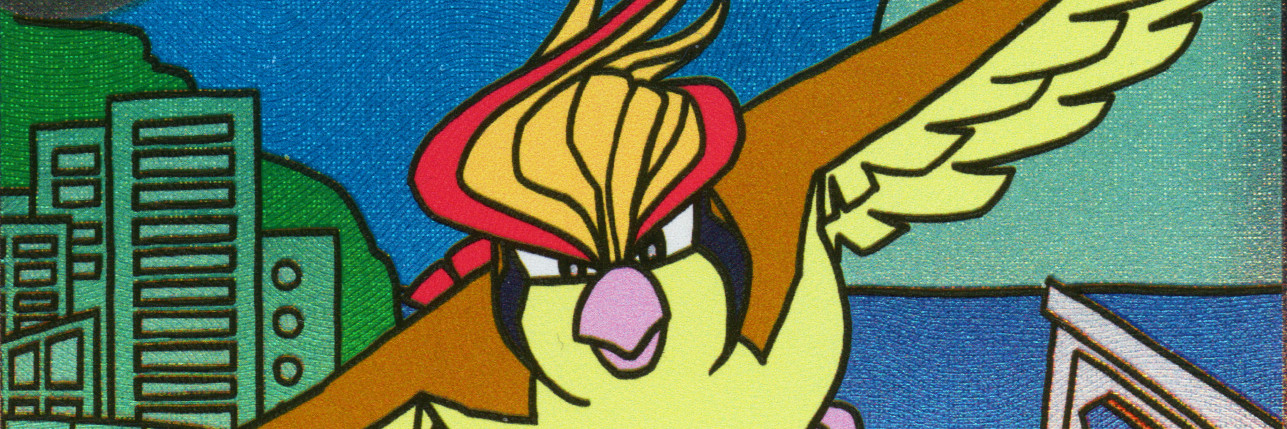
One of the core philosophies of Pokémon’s card-design is to create emergent complexity out of simple effects. Rather than creating individually complicated cards with dozens of lines of text, or forcing players to memorize numerous keywords to do effectively the same, Pokémon’s gameplay is designed to facilitate situations in which many relatively simple cards and effects can be combined to create complicated scenarios. A primary example of a category of effects that produce this emergent complexity are gust effects.
Gust effects have been part of the Pokémon TCG since its first release, and that term—referring to any effect where a player is forced to switch in a Benched Pokémon that was chosen by their opponent—originates from the first card with the effect: Base Set’s “Gust of Wind.” Despite their surface-level simplicity, gust effects can be used to reach many different goals, and can strongly reward deck-building and resource management skills.
After upgrading your membership, you may access the rest of the article:  You must have a Premier Membership or greater to see the rest of this post. If you don't have a Premier account, you can Sign Up for one here.
You must have a Premier Membership or greater to see the rest of this post. If you don't have a Premier account, you can Sign Up for one here.